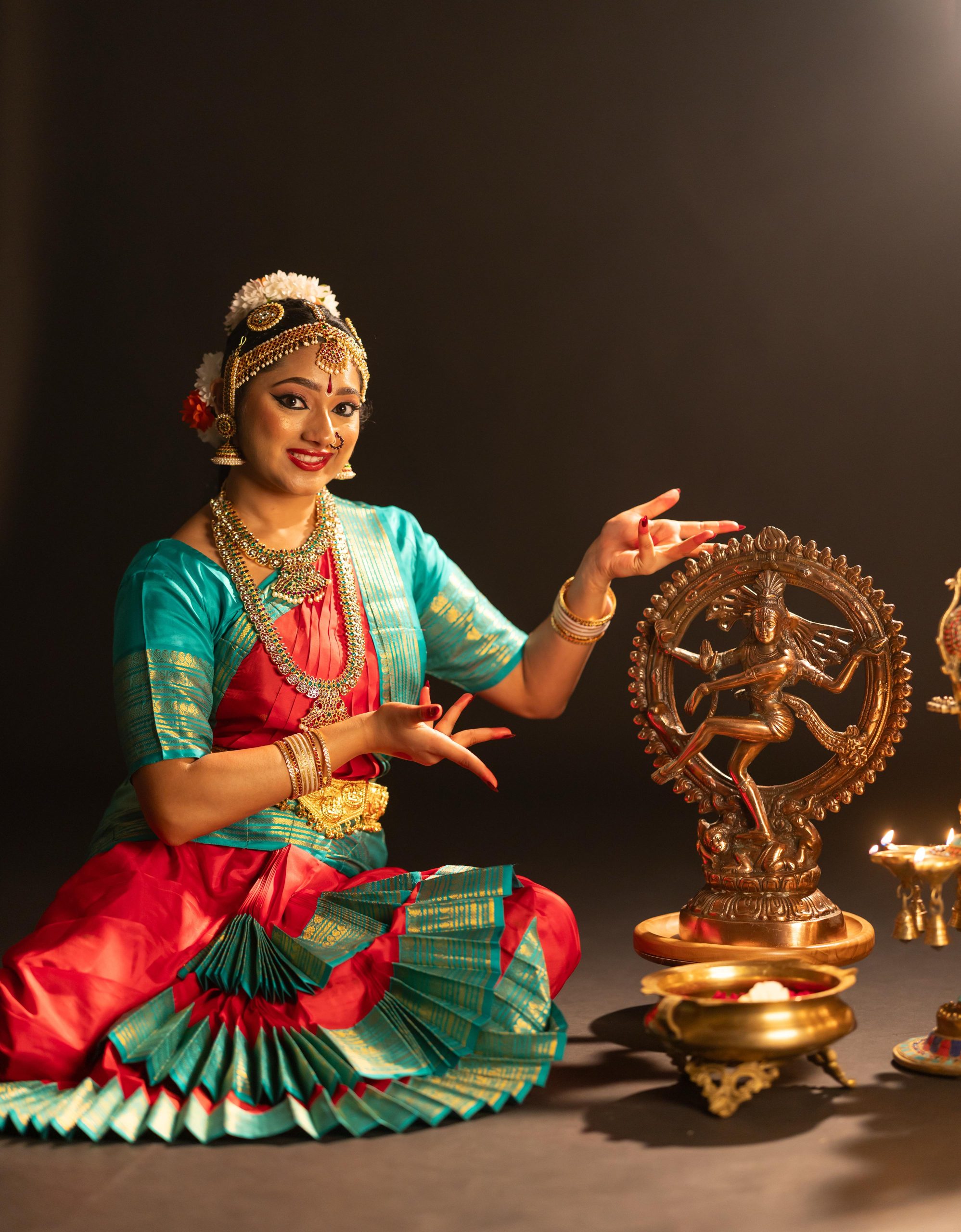
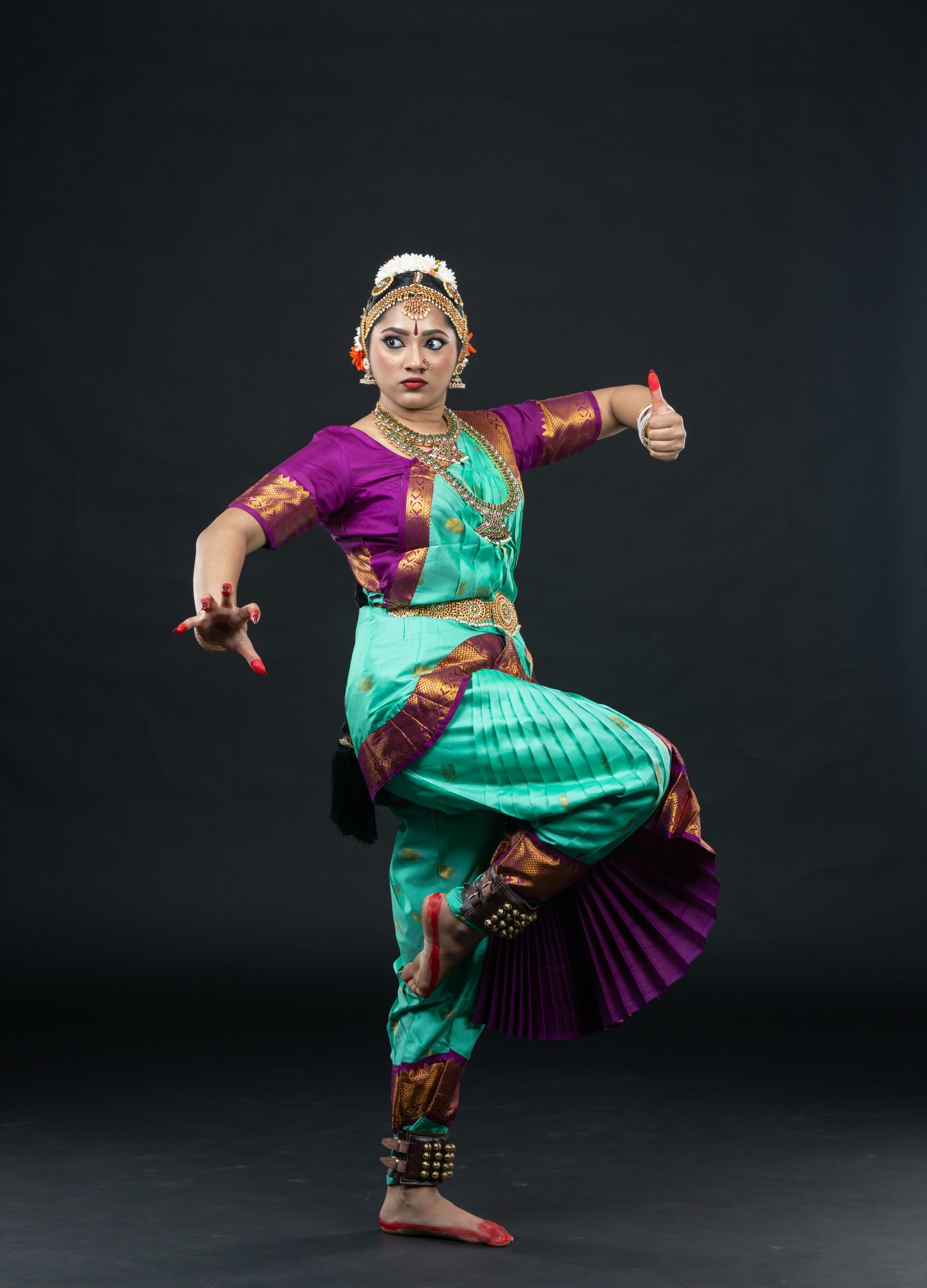
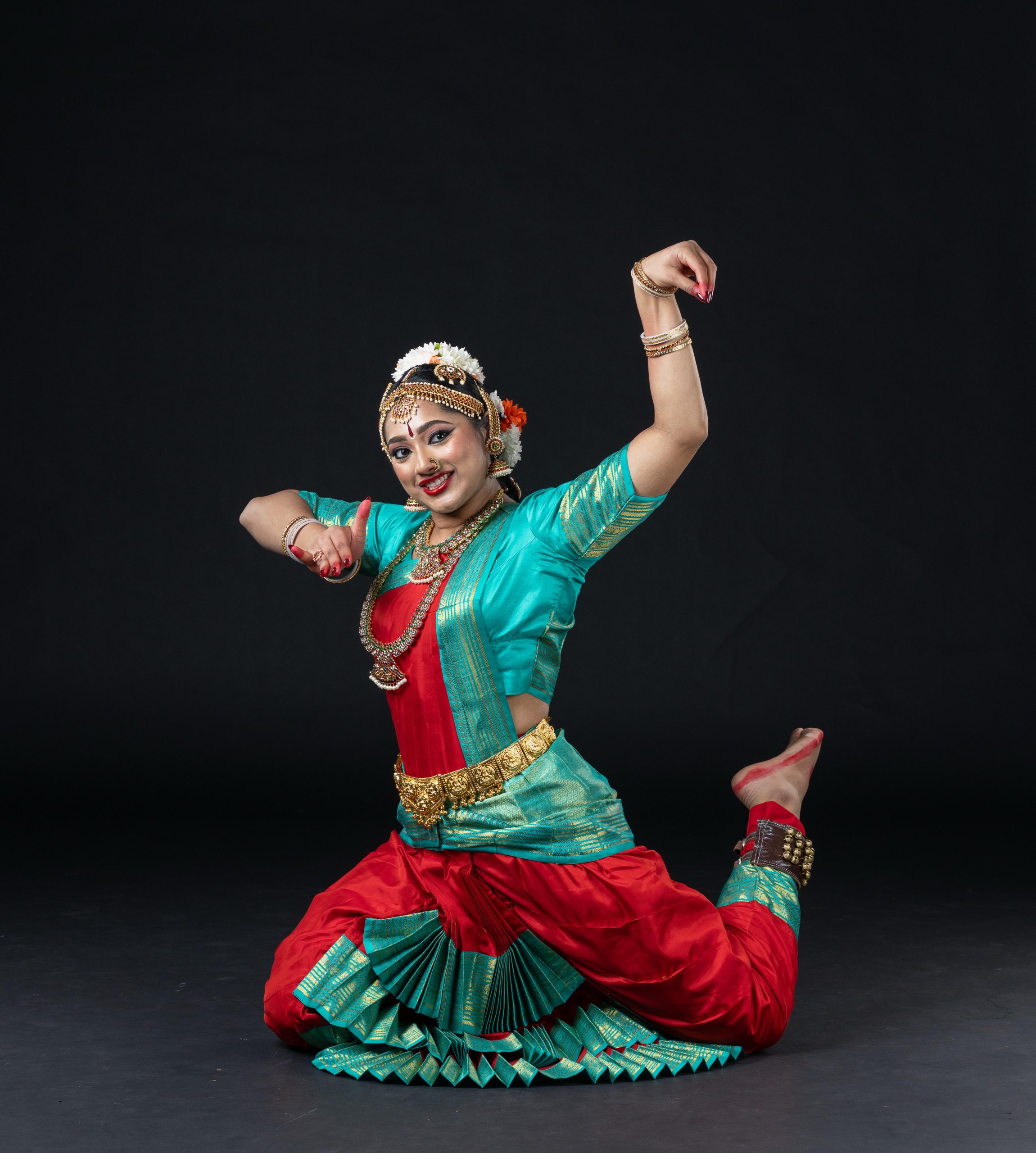
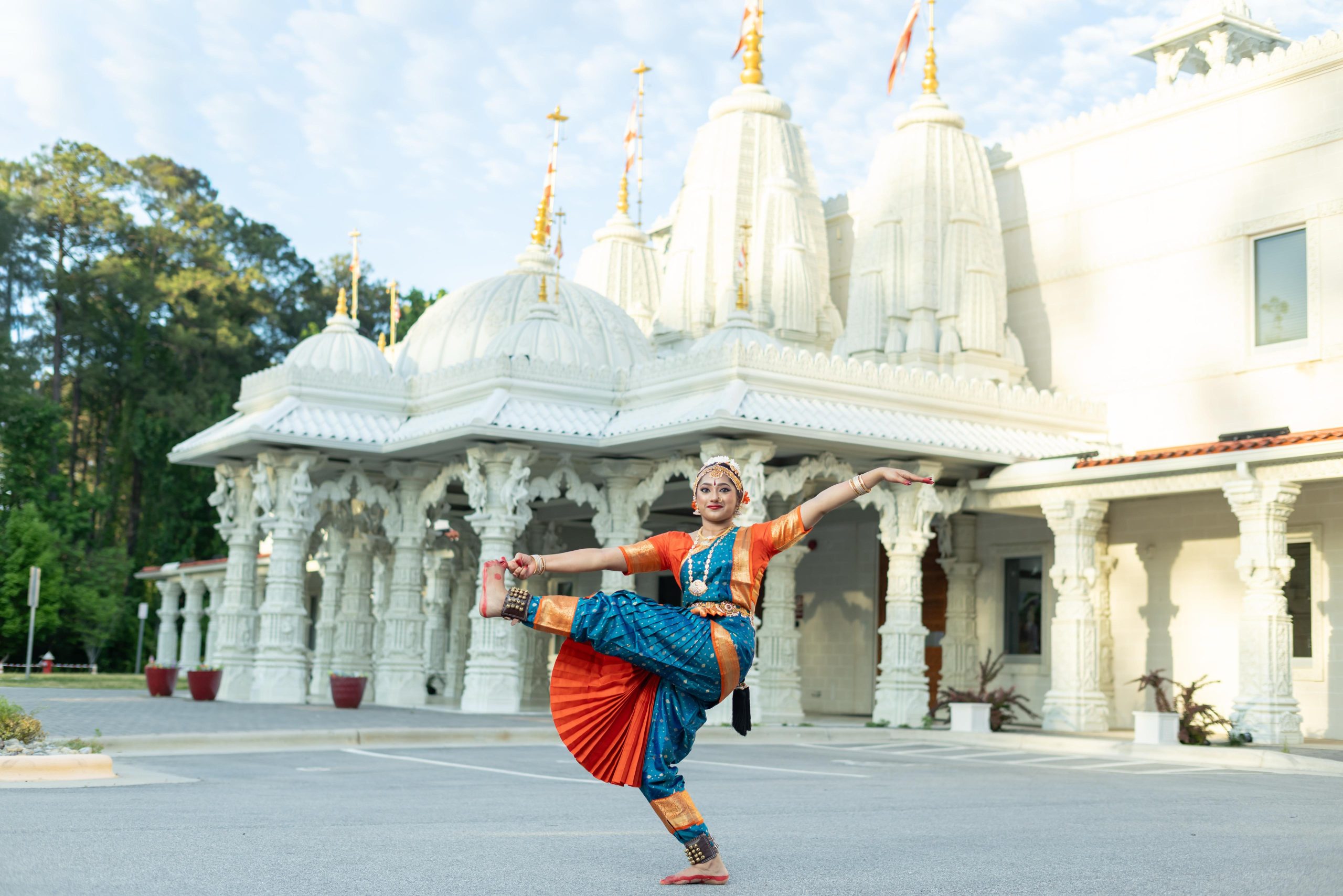
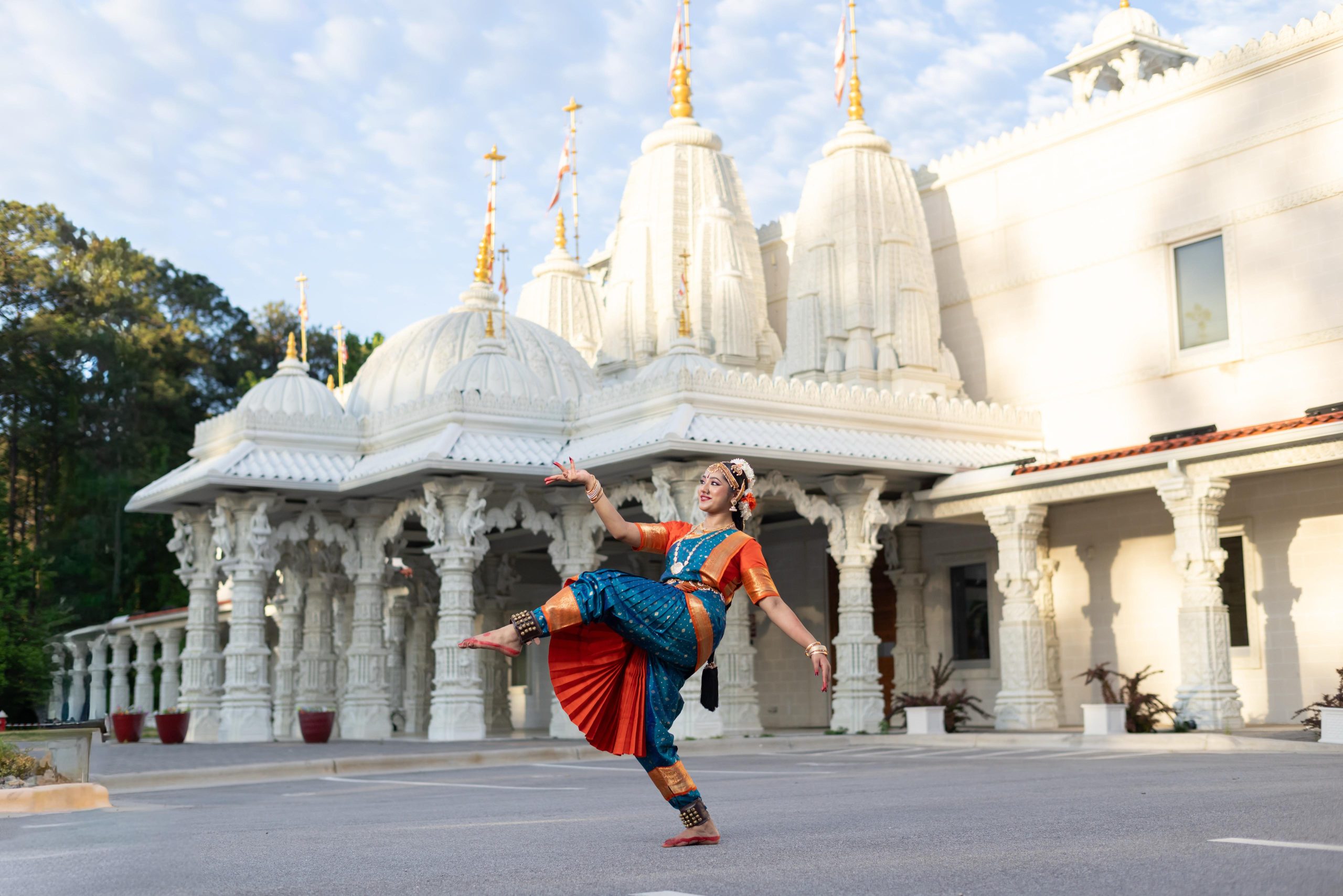
Tarana's Arangetram

LeRoy Martin Magnet Middle School

1701 Ridge Rd

Raleigh, NC, 27607

The art of Bharatanatyam

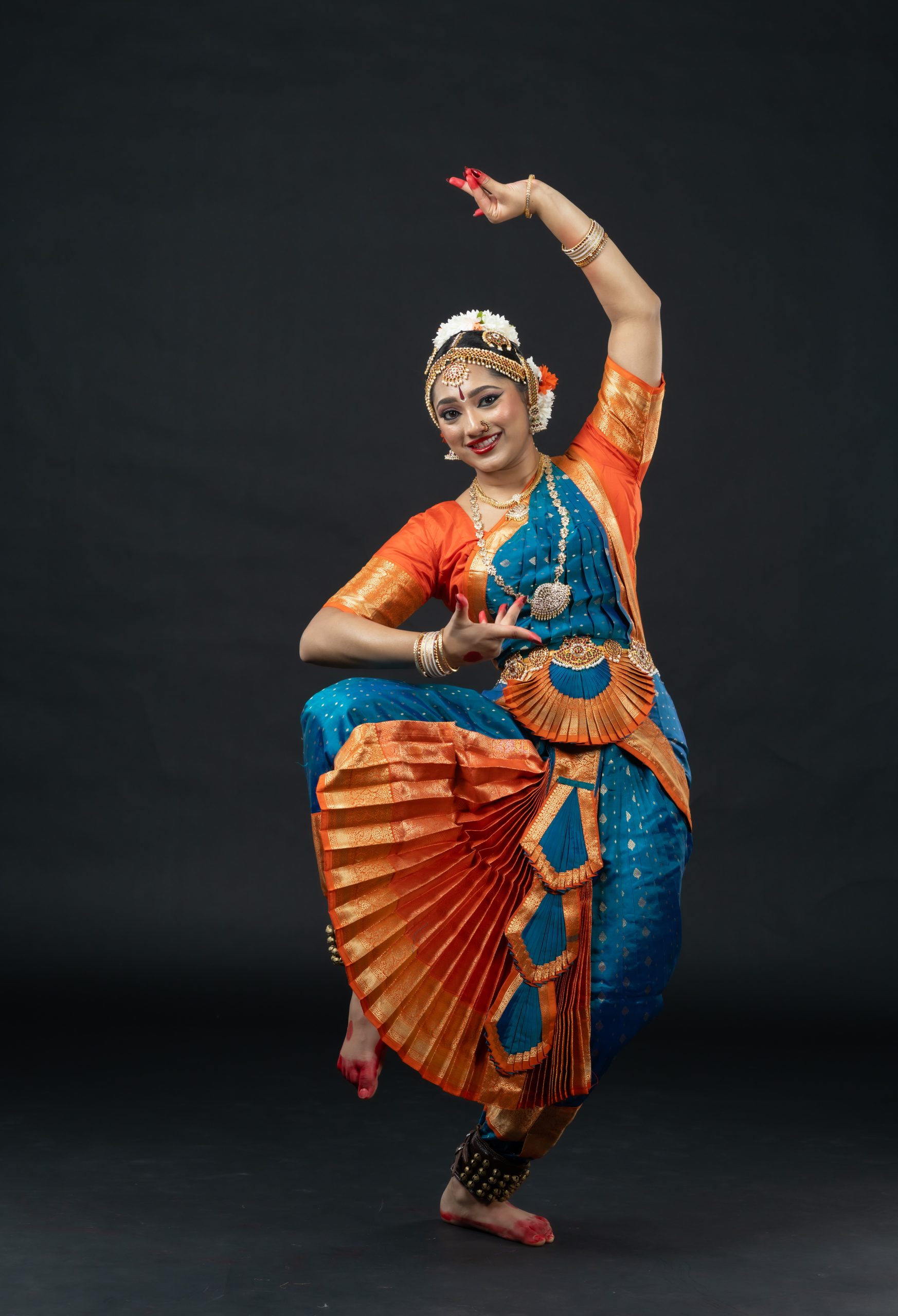
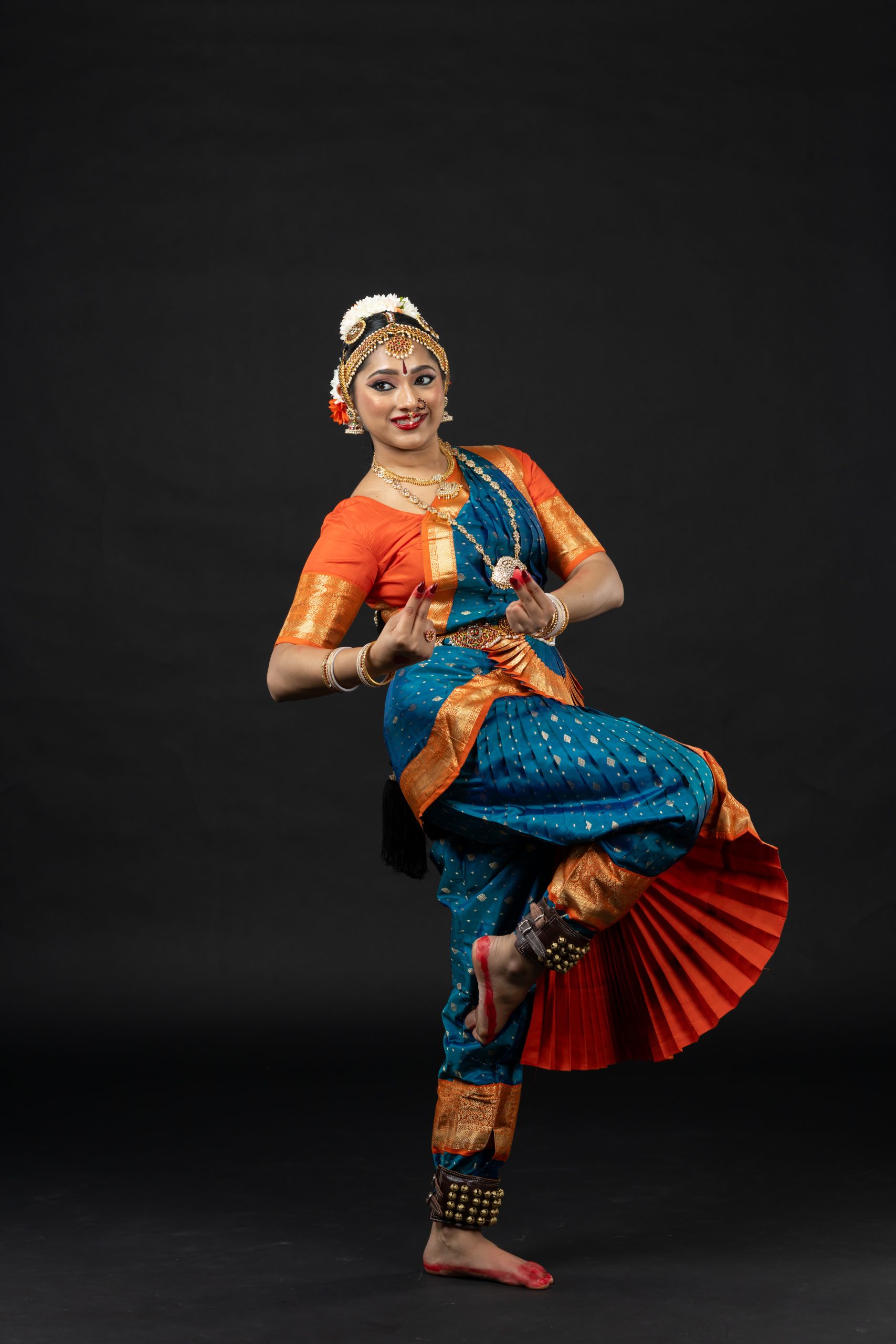
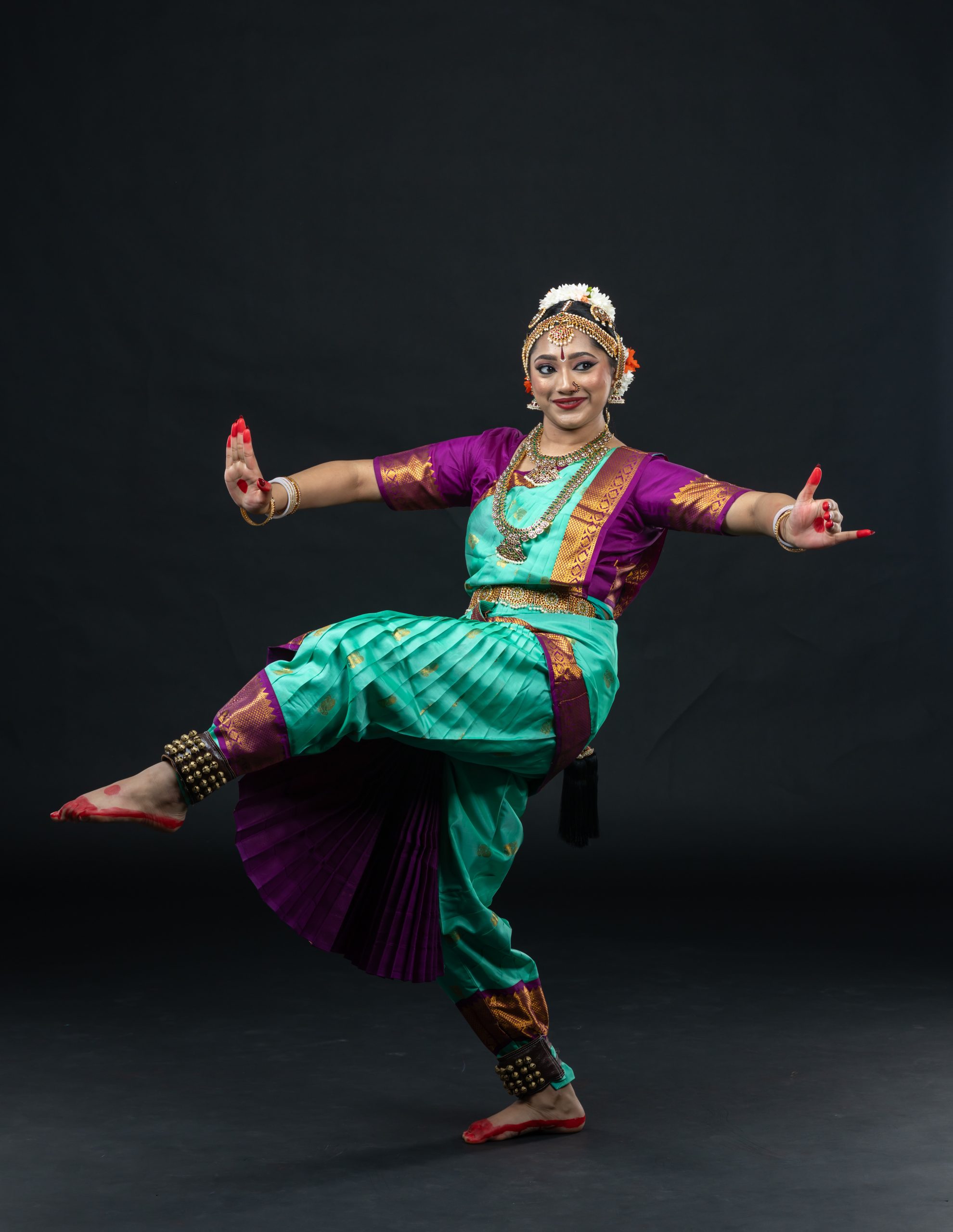
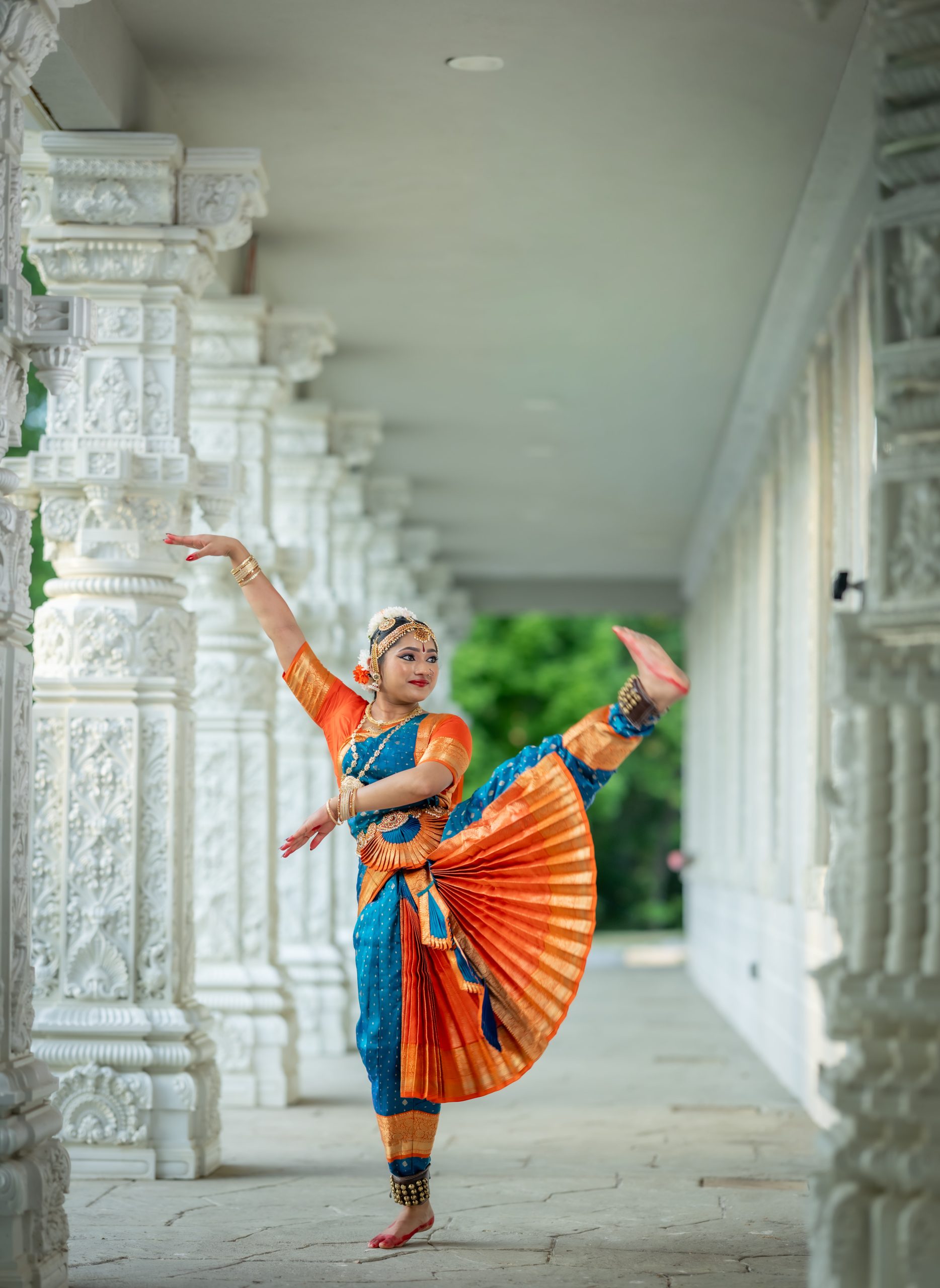
Bharatanatyam is one of the most ancient forms of classical Indian dances, expressed through Nritta (rhythmic movements), Nritya (expression), and Natya (mime). It is a classical dance style from South India known for its grace, rhythm, and sculpturesque poses. This classical dance had its origins thousands of years ago in the Natya Sastra, a comprehensive guide to the intricacies of dance, drama and music written by the sage Bharata. In the word Bharata are the three components of the dance: Bha for Bhaava (expression), Ra for Raaga (melody), and Ta for Taala (rhythm). Bharatanatyam is unique in its use of geometric precision, rhythmic complexity, and a distinctive language of gestures. By combining these elements with music, Bharatanatyam expresses the yearning of the human soul for union with the eternal.

What is Arangetram?

Arangetram is a Tamil word, which means the ‘etram’ or ascending on the ‘arangam’ or performance on stage by a dancer. In this concert-length solo recital to the public, a dancer presents a full repertoire of dances (Maargam), demonstrating extensive knowledge of the art form through a variety of pieces, keeping a balance between “nritta and nritya”. To reach this juncture in the career of a dancer requires years of intense and rigorous training. The Arangetram is the first step in the transition from an amateur to a professional dancer.
The Maargam

Mallari

Raga: Gambheera Nata

Tala: Khanda Triputa

In carnatic music, Mallari is associated with the Nadaswaram instrument, the Mangala vadyam, an auspicious instrument. Rendition of Mallari is an important part of Nagaswaram repertoire, which is a part of every day temple ritual.


Ganesha Stuti: Pari Pari Nee Padame

Raga: Hamsadhvani

Tala: Adi

Stuti means to praise and to enumerate the characteristics of the deity and to ask for blessings. This beautiful kriti, composed by the legendary Sri Balamurali Krishna, is a heartfelt prayer to the divine Lord Ganesha, capturing the essence of surrender and love for the remover of obstacles.


Dashavataram Panchanadai Alaripu

Beginning with hymns dedicated to Lord Jagannath as the source of the Dashavatar, this piece centers on the philosophical belief that Jagannath is the Purna Brahman, the supreme, absolute truth. Alaripu, meaning the blooming of a bud into a flower, showcases basic dance steps and body movements and is typically the first piece that a Bharatanatyam dancer learns. With no song or meaning, this unique alaripu has all the five jaathis or rhythm cycles.


Balasarasa Murali

Raga: Kalyani

Tala: Adi

This composition by Sri Balamurali Krishna is a heartfelt prayer to Lord Krishna, full of love, devotion, and reverence. It’s a melody that touches the soul and perfectly captures the divine grace of the Lord.


Varnam: Amma Annandayini

Raga: Gambiranatai

Tala: Adi

Varnam is the item where the dancer is tested for her capacity to perform abinaya & nritha. This particular varnam is in praise of Goddess as a Mother, the one who protects all as her own children and is a beautiful composition of the great legend, Late Sri Balamuralikrishna.


Shankara Shrigiri

Raga: Hamsanandhi

Tala: Adi

This composition by Swathi Thirunal is about Lord Shiva, the cosmic dancer who performs his divine dance to destroy a weary universe and make preparations for god Brahma to start the process of creation.


Broche Varevaru Ra

Raga: Kamaach

Tala: Adi

This timeless Carnatic kriti composed by the revered Saint Thyagaraja, is a beautiful devotional plea to Lord Rama, expressing unwavering surrender and seeking His divine grace.


Thillana: Brindavani

Raga: Brindavani

Tala: Adi 

Thillana is usually the last item in any Bharatanatyam performance and is mainly a nritha piece which might have a charana, meaningful lyrics for which abinaya or facial expression is portrayed. This Thillana is in praise of Lord Krishna.


Mangalam: Adhivo Alladivo

Raga: Madhyamavathi

Tala: Adi

The dancer ends the recital with Managalam, meaning an auspicious ending. This mangalam was composed by saint Annamaacaarya, who could see a place fully covered by AadisEsha's ten thousand heads and recognized it as Shreehari's place.


Event Schedule

Snacks: 3:00 PM

Seating: 3:30 PM

Event: 3:45 PM

Followed by Dinner

Venue

LeRoy Martin Magnet Middle School

1701 Ridge Rd

Raleigh, NC, 27607